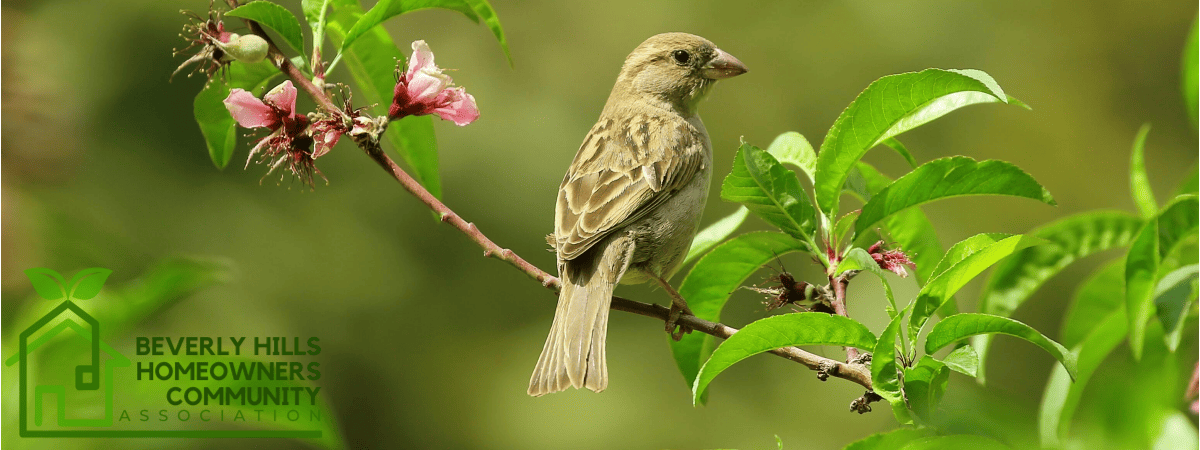
Beverly Hills Subdivision is a testament to sustainable living, its lush greenery providing a refuge for a vibrant array of wildlife. The calls of various bird species punctuate the mornings, competing with the rustle of leaves as reptiles emerge from their sleep, and the nocturnal movements of smaller mammals fade into memory. The air is crisp, carrying the scent of dew-kissed foliage. Meanwhile, at dawn, the surrounding Metro Manila begins to churn, a cacophony of sounds and a rush of activity that sharply contrasts with the quiet beauty of Beverly Hills.
Beverly Hills Subdivision holds a significant place in the history of residential development in the Antipolo-Taytay area. Inaugurated in 1964, it proudly claims the distinction of being the first residential subdivision to emerge in this area, marking a turning point in the landscape of housing options. Spanning a considerable area of approximately 123 hectares, the subdivision's size alone reflects the scope of the transformation it underwent. Prior to the development, this land was characterized by a sprawling mango plantation, a common sight in the countryside of the Philippines. This transition from a productive agricultural space to a planned residential community highlights the shift towards urbanization and the demand for housing in the post-war era.
The creation of Beverly Hills Subdivision not only offered new homes but also established a precedent for future residential developments in Antipolo and Taytay, setting the stage for the growth and evolution of the region. The vision behind the subdivision likely involved providing a planned and organized living space, moving away from more traditional and rural settlements. Furthermore, the very name “Beverly Hills” suggests an aspiration for a certain level of quality and prestige, possibly influencing the style and layout of the community. This makes Beverly Hills Subdivision a landmark development, not just for its size and age, but also for its historical importance in pioneering residential planning in the area.
Beverly Hills Subdivision stands as a unique residential enclave, straddling the border between Barangay Beverly Hills in Antipolo and Barangay Dolores in Taytay. This gated community is not only a place of residence but also holds historical significance, directly influencing the creation of the surrounding administrative unit. The establishment of Barangay Beverly Hills on April 27, 1984, through BATAS PAMBANSA BLG. 787, marked a crucial point in its history. This legislative act effectively detached Beverly Hills from Barangay San Roque within the Municipality of Antipolo, solidifying its identity as an independent barangay. The name itself is derived from the subdivision, showcasing the impact the residential community had on shaping the local landscape and governance. Thus, Beverly Hills Subdivision is more than just a collection of homes; it's deeply intertwined with the identity and administration of the surrounding area.
The Beverly Hills Community Homeowners Association (BHCHA) is the officially recognized body tasked with representing and protecting the interests of the Beverly Hills community residing within the areas governed by Antipolo City and Taytay Municipality. This representation encompasses advocating for the rights and needs of property owners in the community, ensuring their voices are heard and their concerns are addressed in matters pertaining to their homes and neighborhood.
The Association's leadership rests with the Board of Trustees, which sets the strategic direction and ensures the organization operates within the bounds of its legal charter, specifically referencing the corporate charter of DSHUD. The management team of BHCHA handles the practical enforcement of the HOA's legal governing documents. This team is supervised and maintained by the BHCHA Board, ensuring consistent application of rules and regulations within the community.
The governing documents of BHCHA are:
- 2024 Articles of Incorporation
- 2024 Bylaws
- 2024 Rules & Regulations
- 2024 Declaration of Covenants, Conditions & Restrictions
- 2024 Guidelines & Due Process Enforcement Procedures